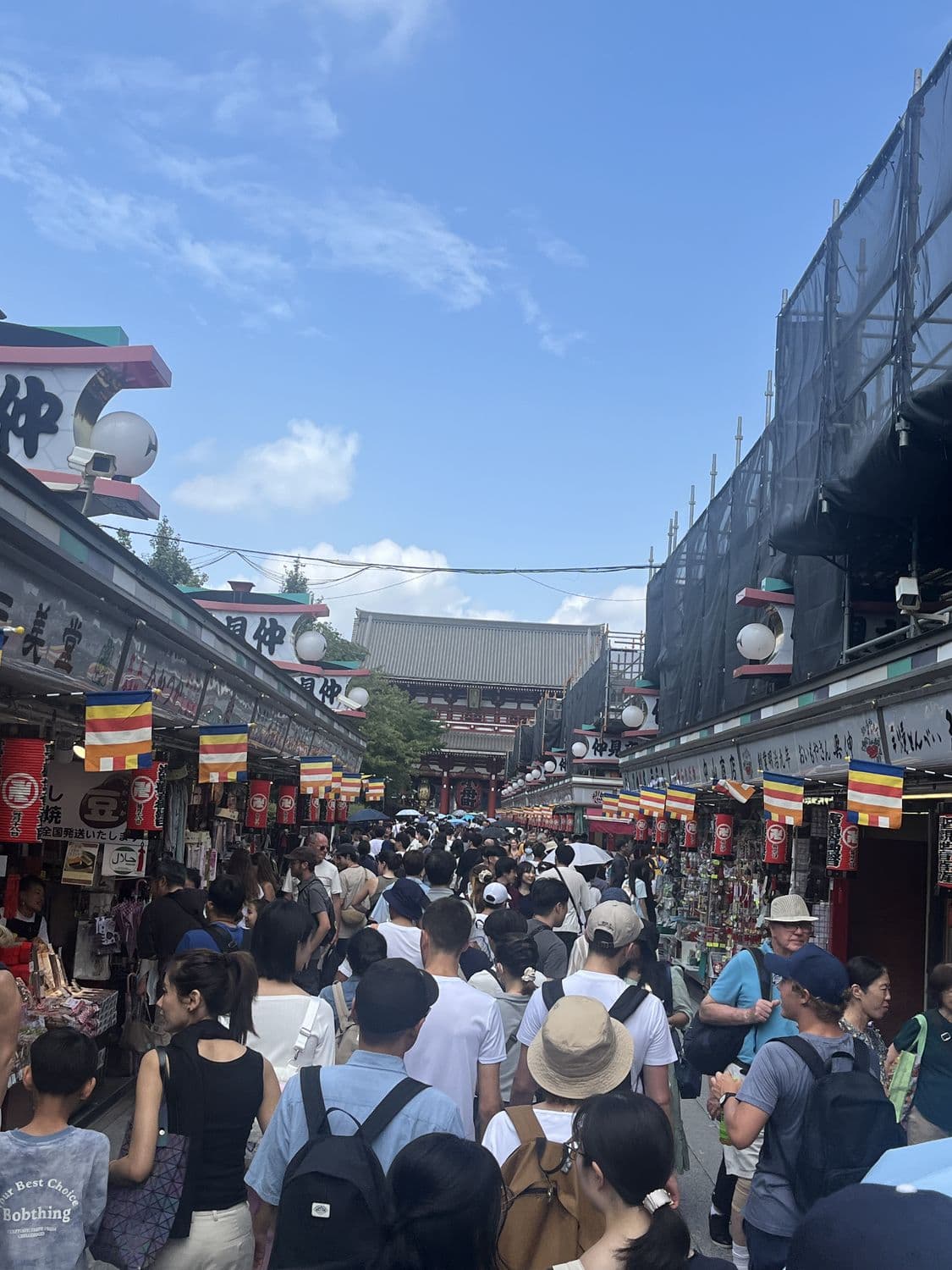
Japan is famously polite, but the etiquette that matters day to day isn't complicated — it's a handful of small, considerate habits. Get these right and you'll settle in far more smoothly. Nobody expects a newcomer to be perfect; effort and awareness are what count.
At home and indoors
- Take your shoes off when entering homes, and many traditional restaurants, clinics, and some schools. Look for a step or a shelf of slippers.
- Use the slippers provided, and switch to the separate toilet slippers where they exist (don't wear them back out).
On trains and in public
- Keep quiet on trains — no loud calls or speakerphone. Set your phone to silent ("manner mode").
- Queue neatly on marked lines on platforms and let people off before boarding.
- Don't eat or drink while walking in many settings — it's often seen as untidy. Eat at the shop or a designated spot.
- Give up priority seats for those who need them.
Money and shopping
- No tipping. Good service is standard, and a tip can cause genuine confusion. Don't do it.
- Use the small tray at registers to pass money rather than handing cash directly.
- Carry some cash — Japan is increasingly cashless, but not everywhere.
Eating
- Say itadakimasu before eating and gochisousama after — small, appreciated touches.
- Chopstick manners: don't stick chopsticks upright in rice, and don't pass food chopstick-to-chopstick — both echo funeral customs.
- Slurping noodles is fine — even appreciated.
Rubbish and daily life
- Sort your rubbish carefully — Japan has strict, area-specific recycling rules; ask your building or city for the schedule.
- Bins are scarce in public — you'll often carry rubbish home.
- Be punctual — arriving on time (or early) is a basic courtesy, especially at work.
Greetings
- A small bow is the everyday greeting; you don't need to get the depth "right" as a newcomer — a polite nod is welcomed.
- A little Japanese goes a long way — even simple greetings signal respect. Learn your first phrases free with Komichi's decks.
Get these basics right and the rest you'll pick up by watching those around you. This is general cultural guidance — customs vary by region and setting.