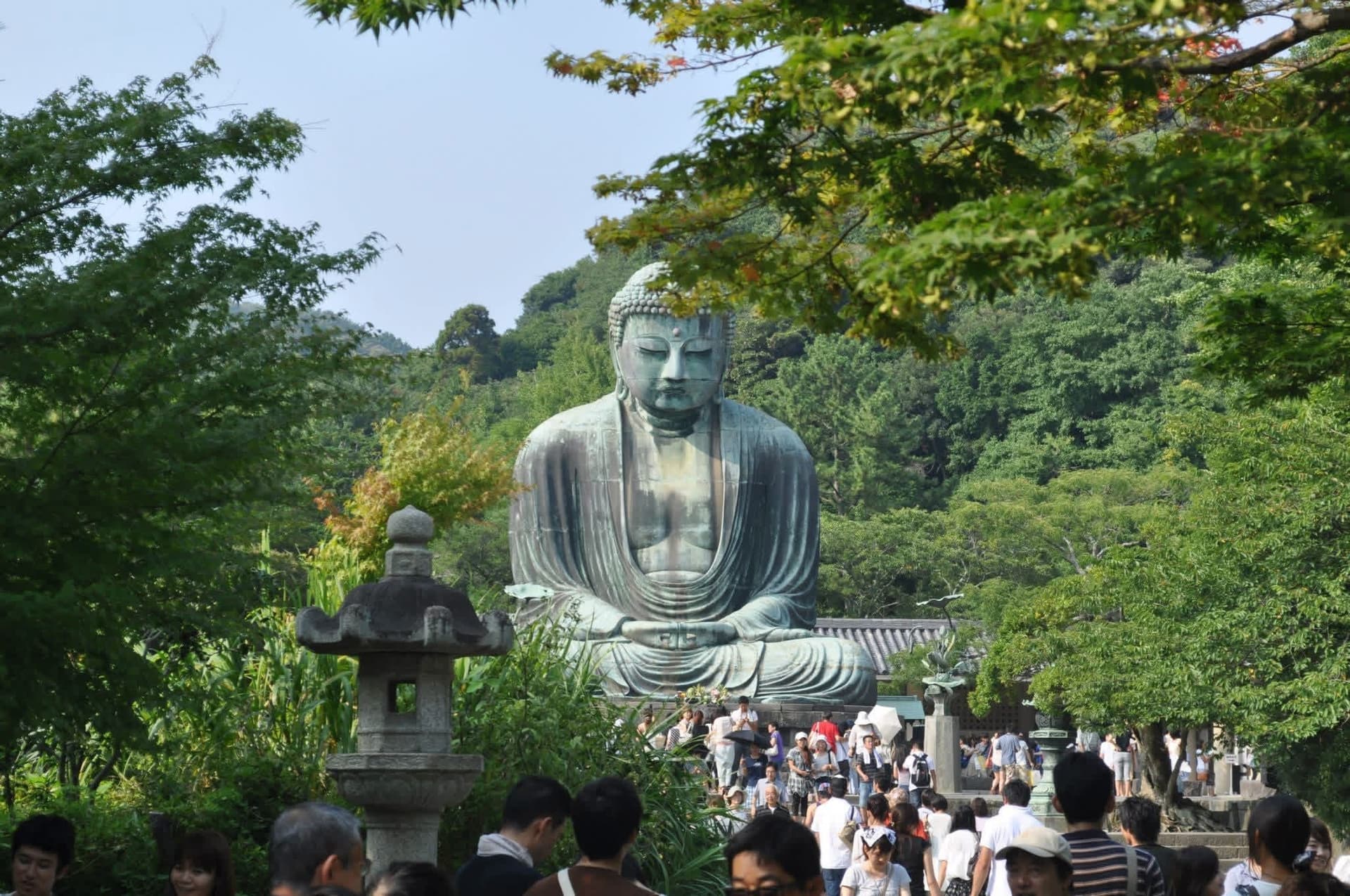
発見 · HAKKEN · DISCOVERY
Discover Japan
Safe streets. Deep culture. Real opportunity. And a growing Indian community waiting to welcome you.
JAPAN BY THE NUMBERS
Top-10 Safest
Global Peace Index 2024
4.12M+
Foreign residents (2025)
Universal
Healthcare · you pay ~30%
World-Class
Transport & four seasons
Sources: Global Peace Index 2024 · ISA/e-Stat (2024) · MHLW
暮らし
It's not just a job — it's a life.
Safe streets, clean cities, world-class healthcare, and a culture you'll fall in love with. Japan isn't just a career move — it's a place to build something lasting.
Explore life in Japan →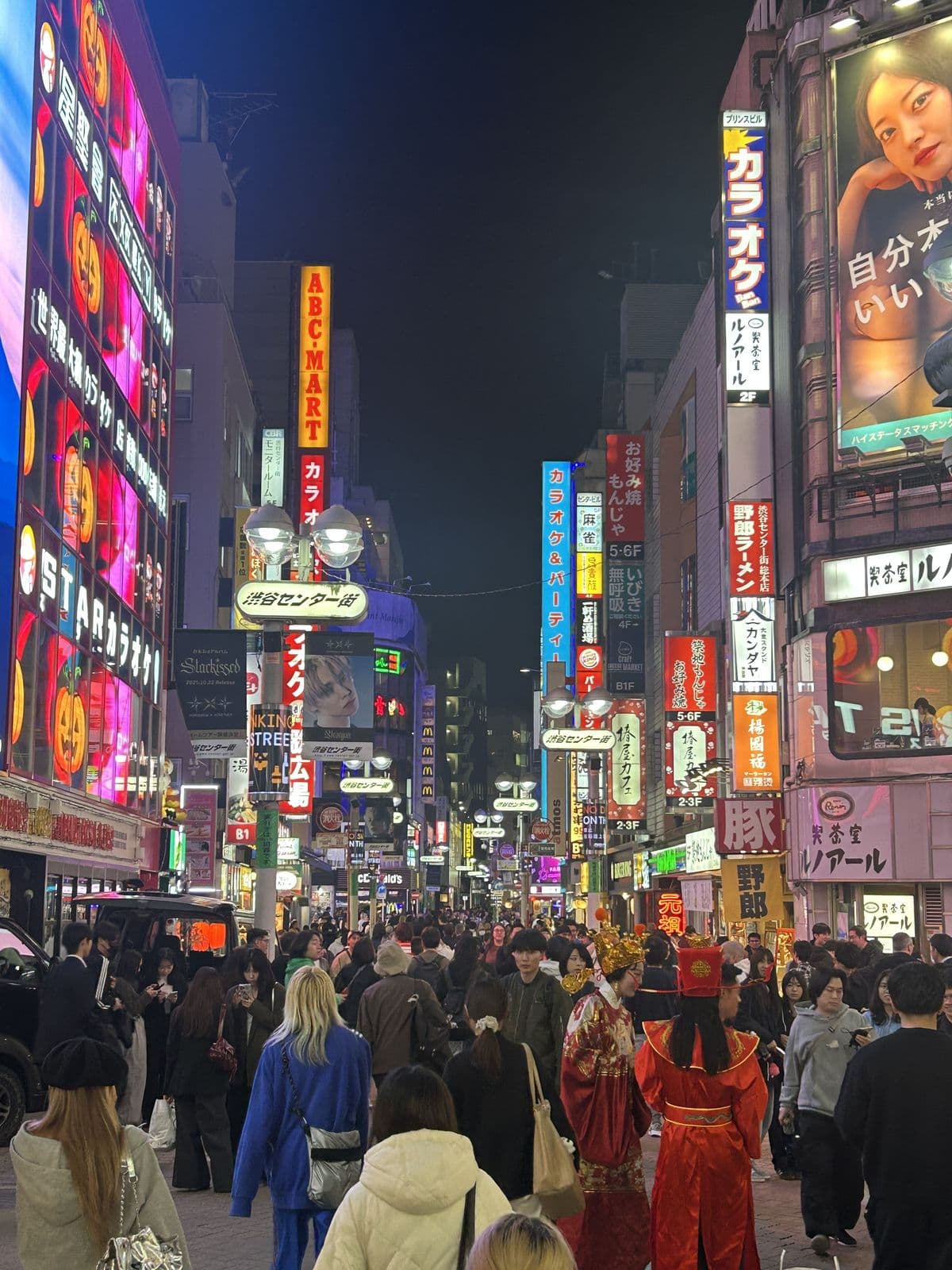
なぜ日本? · WHY JAPAN
The honest case for choosing Japan
Japan isn't perfect — but for the right person, it offers something rare: safety, opportunity, and a quality of life that's hard to find elsewhere.
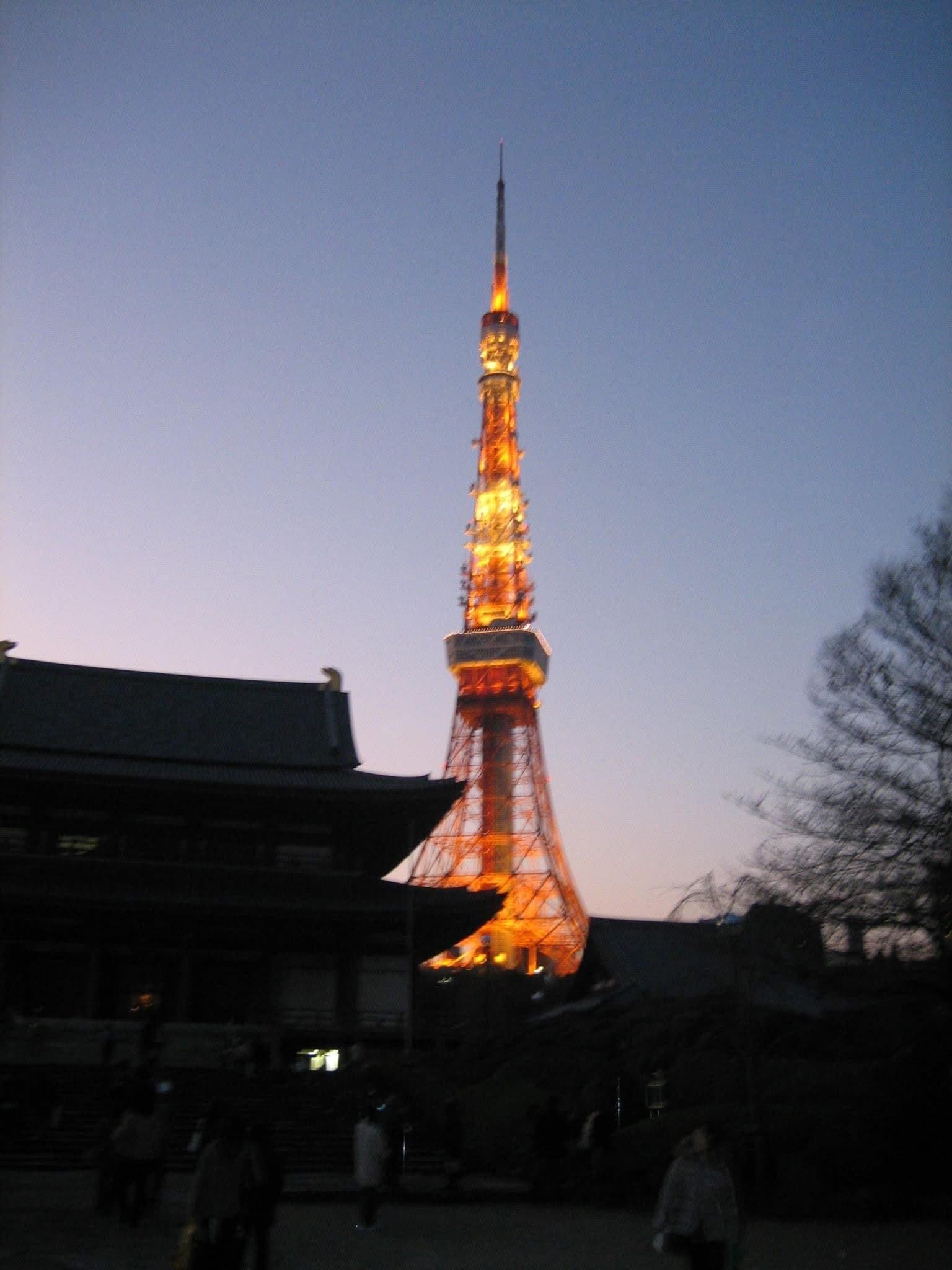
Safe streets, day & night
Walk home at 2am. Leave your bag on a train — it'll be at lost-and-found.
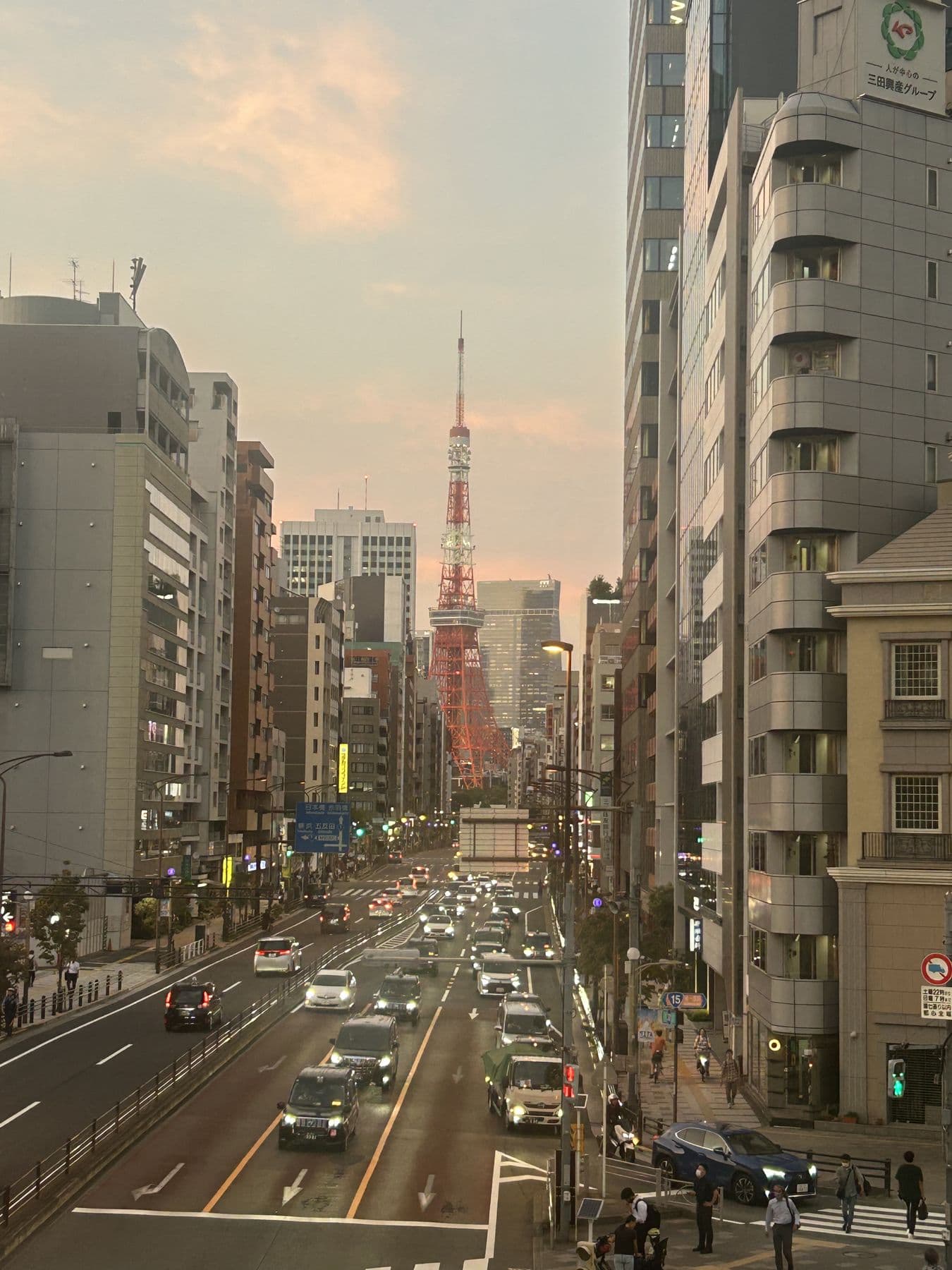
The door is open
820K+ skilled-worker visas by 2028. 336,708 international students (2024), heading for 400,000 by 2033. Japan wants you.
Quality of life that lasts
Clean air, reliable trains, world-class healthcare — and room to save.
日本の暮らし · LIFE IN JAPAN
More than just work — it's a way of life
Cherry blossoms in spring. Festivals in summer. Quiet temples any time. Life in Japan has a rhythm you'll come to love.



生活費 · COST OF LIVING
Can you afford it? Yes — here's how.
Japan isn't as expensive as you think. Regional cities are affordable, and most workers save 20-30% of their salary.
~₹90,000/mo
Frugal living budget
75-80%
Take-home after tax
30% out-of-pocket
Health insurance covers rest
Pension refund
Get contributions back
¥535,800/yr tuition + 28hr/week work
National university tuition (~₹3.2L). Students can work part-time with permission. Why study in Japan →
Sources: MHLW · NTA · Full breakdown with citations
よくある質問 · COMMON QUESTIONS
Questions everyone asks
Honest answers to the worries that hold people back.
Is Japan safe?
Yes. Japan consistently ranks among the world's safest countries. Violent crime is rare, streets are safe at night, and public transport is reliable 24/7. Most expats say safety is the first thing they notice.
Learn moreIs Japan expensive?
It depends on where you live. Tokyo is pricier, but regional cities like Fukuoka or Osaka offer good quality of life at lower cost. A frugal single can live on ~¥153,000/month (~₹90,000). Many workers save 20-30% of their salary.
Learn moreDo I need to speak Japanese?
It depends on your path. Work visas often require N4-N5 level Japanese. But many university degree programs are taught entirely in English — check our English Programs finder. Language schools also offer an entry route while you learn.
Learn moreIs studying in Japan cheaper than the US or UK?
Yes, significantly. National university tuition is ≈¥535,800/year (~₹3.2 lakh), and many scholarships cover tuition fully. Plus, students can work up to 28 hours/week with permission.
Learn moreCan I study in Japan after 12th without knowing Japanese?
Yes. Many universities offer English-taught degree programs that don't require prior Japanese. Alternatively, you can enroll in a language school first to learn Japanese, then apply to university. Both routes are valid.
Learn moreIs there an Indian community?
Yes, and it's growing fast. There are now 58,999 Indians in Japan (2025) — up from ~22,000 a decade ago. Major cities have Indian restaurants, grocery stores, and community groups. You won't be alone.
Learn moreStudy or work — which is right for me?
It depends on your goals and qualifications. Studying opens doors to higher-skilled roles and better visa pathways. Working gives you income right away. Take our 2-minute quiz to find your best path.
Learn more次のステップ · NEXT STEP
Ready to find your path?
Are you coming to work or to study? Each path has different visas, timelines, and requirements.
Study in Japan
Universities, scholarships, language
Explore study options
Work in Japan
SSW visas, job hunting, salaries
Start your work journey
Not sure which path is right for you?
Take the 2-minute persona quiz